ZEW ZEALAND
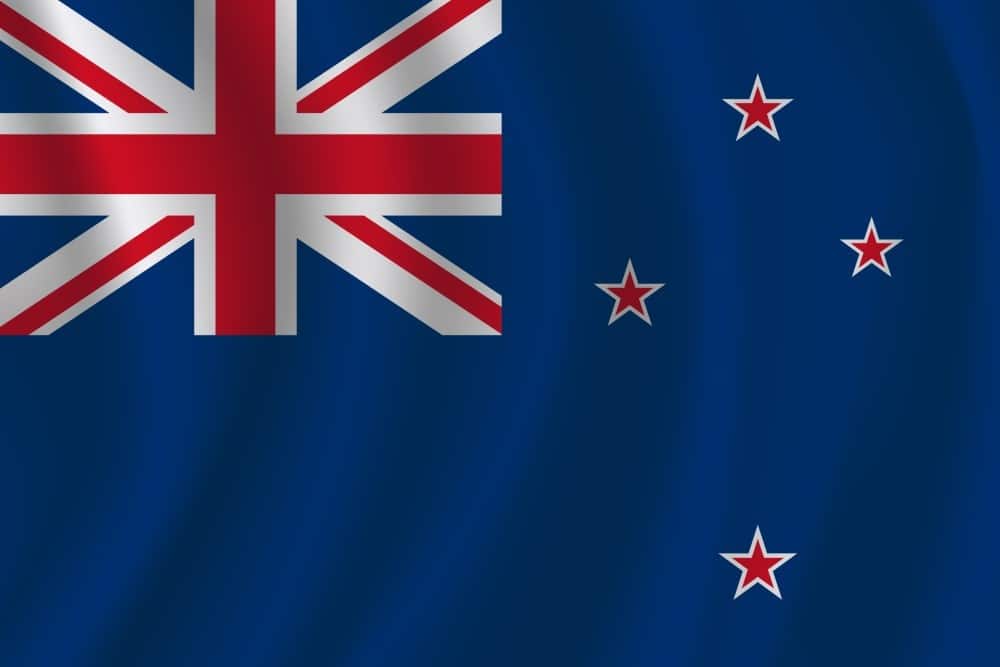
National Flag of New Zealand
The flag flies proudly on national holidays such as Waitangi Day and Anzac Day, during sporting events, and on official buildings. It reflects New Zealand’s unity, independence, and pride, symbolizing both its European heritage and Pacific identity. The design features the Union Jack in the top left corner, representing the country’s historical ties to the United Kingdom, while the four red stars with white borders on a blue field represent the Southern Cross constellation, signifying New Zealand’s location in the South Pacific Ocean. The flag is a powerful national symbol and often appears at international events, especially when New Zealanders unite to support their teams, such as the All Blacks in rugby. While there was a national referendum in 2015–2016 to consider changing the flag, the majority voted to retain the current design, highlighting the value placed on tradition and historical identity by many New Zealanders.
Overview
New Zealand is an island country located in the southwestern Pacific Ocean, consisting of two main landmasses—the North Island and the South Island—along with numerous smaller islands. Known for its stunning natural landscapes, from snow-capped mountains and lush forests to beautiful beaches and active volcanoes, New Zealand attracts visitors from around the world. The country has a rich cultural heritage, blending Māori traditions with British colonial influences. Its diverse wildlife, strong environmental values, and outdoor lifestyle are central to its identity. New Zealand is also recognized for its friendly people, innovative spirit, and global contributions in sports, film, and science.
Design and Symbolism
The New Zealand flag features a blue field with the Union Jack in the upper left corner, symbolizing the country’s historical links with the United Kingdom as a former British colony. On the right side of the flag, four red stars with white borders represent the Southern Cross constellation, a key navigational feature visible from the Southern Hemisphere.
The blue background stands for the surrounding Pacific Ocean, highlighting New Zealand’s position as an island nation. Each element of the flag carries meaning:
- Union Jack: Represents British heritage and history.
- Southern Cross: Emphasizes New Zealand’s location in the Southern Hemisphere.
- Blue Field: Symbolizes the sea and sky surrounding the country.
Historical Background
Before 1902, New Zealand used several different flags, including the Union Jack and the United Tribes Flag of 1834, which was the first flag chosen by Māori chiefs for trading purposes. The current design originated as the New Zealand Ensign, primarily used by government ships from 1869. Over time, its popularity grew, leading to its official adoption as the national flag in 1902 through the New Zealand Ensign Act.
Controversy and Referendums
Over the years, there have been debates about whether New Zealand should change its flag to better represent its modern identity and reduce colonial associations. In 2015–2016, the government held two referendums offering alternative designs. One popular contender featured the silver fern, a national emblem of New Zealand. However, voters ultimately chose to keep the current flag, affirming its historical and cultural significance.
Importance and Legacy
Today, the New Zealand flag symbolizes national pride and unity. It flies on government buildings, at sporting events, and on important national occasions. While debates about changing it may continue in the future, the flag remains a powerful emblem connecting New Zealand’s past, present, and heritage.